
The Ultimate Safety Inspection Checklist: Garage Door Maintenance, Spring Replacement, & Commercial Repair Guide
The 7-Minute, 7-Point Safety Checklist
The "Eyes and Ears" Test
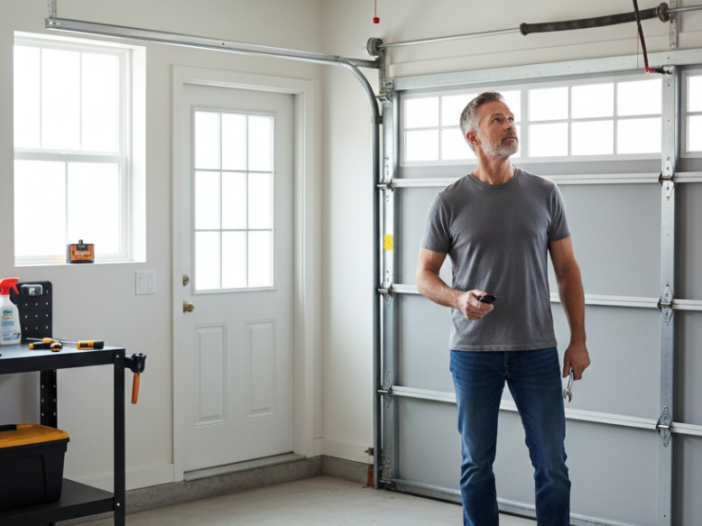
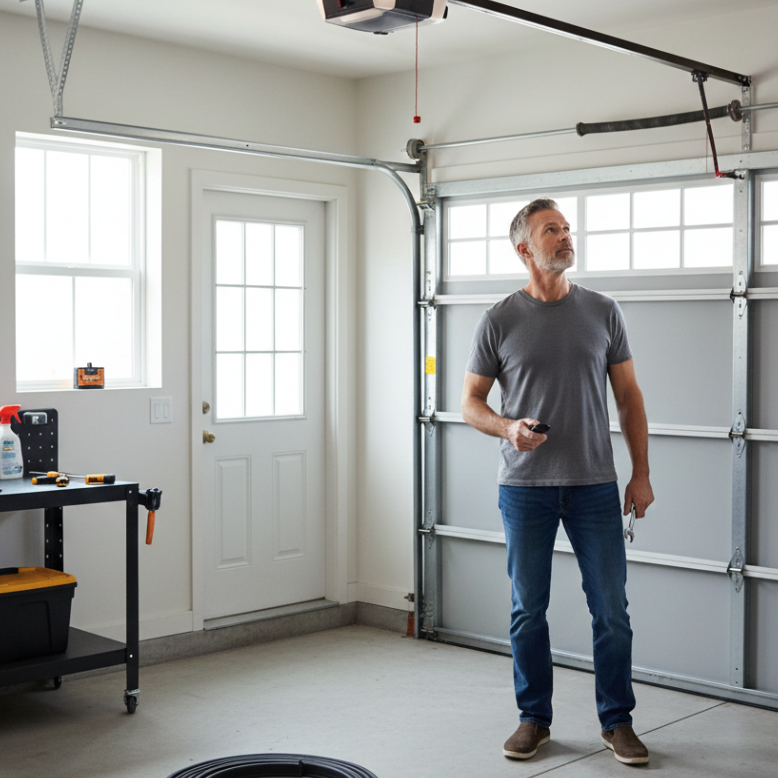
Start by watching your door operate. Is the movement wobbly or uneven? Listen for grinding or scraping. High-pitched squeaks usually suggest a need for lubrication. Peek at the tracks for any visible rust or loose hardware.
Your garage door is likely the largest moving object in your home, providing security and convenience. But without regular attention, it can quickly turn into a safety hazard. Whether you’re a homeowner trying to dodge a costly broken garage door spring or a facility manager needing commercial garage door repair, safety begins with a routine inspection.
According to the International Door Association, improperly maintained garage doors cause over 10,000 injuries annually. Performing just an 8-minute check twice a year can save you from costly emergency repairs down the road. Use this guide to keep your family and property safe.
The Balance Test
Disconnect the opener by pulling the red release cord while the door is closed. Manually lift the door halfway; it should stay in place. If it crashes down or shoots up, your springs are out of balance. Because springs are under high tension, you must contact a professional to handle these adjustments.
The Safety Reverse Test
Place a solid object (like a 2×4) flat on the ground in the door’s path and close it. The door must reverse immediately upon striking the object. If it fails, your opener requires immediate repair to prevent injury.
Photo Eye Alignment
Locate the sensors at the base of your tracks. Wipe the lenses clean of dust or cobwebs. Test them by waving a broomstick through the beam as the door closes; it should reverse instantly.
Lubrication
Friction is the enemy. Use white lithium grease or silicone spray (not WD-40) on hinges, metal rollers, and bearing plates. Pro Tip: Lightly wipe torsion spring coils with an oily rag to prevent surface rust.
Cable Inspection
Visually check cables for fraying or “bird-nesting.” Never touch these components yourself. If you see a frayed strand, it’s time for expert garage door cable replacement before the cable snaps.
The Weather Seal
Check the rubber seal on the bottom of the door. If it’s cracked, cold air and moisture sneak in. Replacing this is an easy DIY fix for better energy use.
Commercial Doors
For our business clients across Western Pennsylvania, garage doors are not just a convenience. they are critical infrastructure. Unlike residential systems, commercial doors may cycle dozens or even hundreds of times per day, supporting shipping, security, and daily operations. That constant use accelerates wear and tear, making proactive maintenance essential.
A malfunctioning commercial door is more than an inconvenience. It can halt operations, delay shipments, create safety risks for employees, and even compromise building security. In industries like logistics, manufacturing, and automotive service, even a few hours of downtime can ripple into lost revenue and missed deadlines.
That is why a structured commercial garage door repair and maintenance plan is so important. Beyond the basic safety checks outlined above, commercial systems require additional attention:
- High-Cycle Components: Springs, rollers, and hinges in commercial systems are designed for heavy use, but they still wear out faster. Monitoring cycle counts and replacing parts before failure helps avoid unexpected shutdowns.
- Track & Clearance Management: Debris, dust, and pallet impact can misalign tracks. Even slight misalignment can strain operators and shorten the life of the system.
- Operator & Motor Performance: Commercial openers are more powerful and complex than residential units. Slow operation, unusual noise, or delayed response times often signal the need for service.
- Safety Compliance: Many facilities must meet OSHA or insurance safety standards. Ensuring your doors pass safety reverse tests and sensor checks is not just best practice it may be required.
- Access & Security Integration: Commercial doors are often tied into access control systems, keypads, or remote monitoring. Routine checks ensure these integrations remain reliable and secure.
Just as important is scheduling. The best time for maintenance is not when something breaks. It is during planned downtime! Coordinating service around your operational hours minimizes disruption and keeps your workflow moving.
For facility managers, the goal is simple: eliminate surprises. A preventative maintenance program turns emergency repairs into predictable upkeep, protecting both your team and your bottom line.
Final Thoughts on Your Garage Door Safety Inspection
Whether at home or in a commercial facility, garage door safety comes down to consistency. Small issues such as a loose bracket, worn cable, or misaligned sensor rarely stay small for long. Left unchecked, they can lead to costly repairs, unexpected downtime, or serious safety risks.
For homeowners, this might mean a broken spring at the worst possible time. For businesses, it could mean halted operations, delayed shipments, or compromised security. In both cases, the solution is routine inspections backed by professional service.
Choosing a garage door company is not just about fixing a problem. It is about having a trusted partner who understands the unique demands of your system. That is why so many homeowners and businesses across Western Pennsylvania rely on Alliance. You can learn more about why our clients choose us here.
If your door failed any part of this checklist or it has simply been a while since your last professional inspection, now is the time to act. From broken springs and cable replacement to full commercial system maintenance, our team keeps your home or business running safely and efficiently.
Ready to get your door back on track? Contact Alliance Garage Doors & Openers today for reliable, honest service that lasts.

Leave a Reply